MHRA Issues Class 2 Medicines Recall: What Pharmacies Must Do in Practice
WHY THIS MATTERS NOW
Medicines recalls are not rare events, but they remain one of the most operationally risky areas of pharmacy practice. A recent MHRA Class 2 medicines recall serves as a timely reminder that recalls are not just administrative tasks — they require structured action, clear documentation and, in some cases, patient follow-up. Failure to respond appropriately can expose patients to harm and pharmacies to regulatory scrutiny.
CORE STORY: WHAT A CLASS 2 RECALL MEANS
The MHRA has issued a Class 2 Drug Alert following the identification of a quality defect in a medicinal product supplied to the UK market. Class 2 recalls are issued when a defect could cause mistreatment or harm, but where the risk is not considered immediately life-threatening.
Common reasons for Class 2 recalls include incorrect dissolution or bioavailability, stability issues affecting shelf life, labelling or leaflet errors that may lead to incorrect use, and manufacturing deviations identified after distribution.
The affected batches have been distributed at wholesale level and may already be present in community pharmacy stock. The alert has been circulated via the MHRA Drug Alert system and the NHS Central Alerting System, making it applicable across England, Wales and Scotland.
PRACTICAL IMPLICATIONS FOR PHARMACY TEAMS
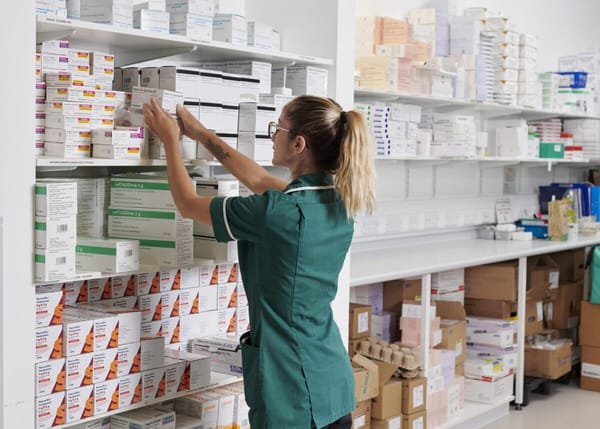
Immediate stock checks are required against the batch numbers listed in the Drug Alert. Affected items must be quarantined promptly, clearly labelled as “Do Not Use”, and stored separately from active stock.
Where specified in the alert, pharmacies should review dispensing records to determine whether affected batches have already been supplied. Not all Class 2 recalls require patient contact, but where follow-up is needed, local procedures must be followed carefully.
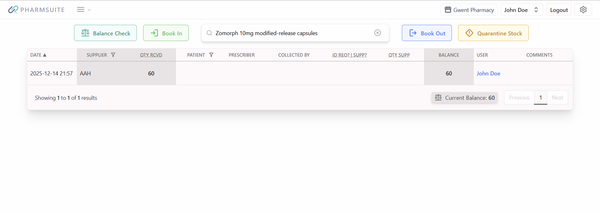
Documentation is critical. Pharmacies should record when the alert was received, what checks were carried out, what stock was identified and removed, and any further actions taken. This information is frequently reviewed during inspections as evidence of medicines safety governance.
All staff involved in dispensing, including locums and part-time team members, should be made aware of active recalls to reduce the risk of accidental supply.
WIDER CONTEXT
The MHRA issues dozens of Drug Alerts each year, and inspection findings consistently show variation in how pharmacies respond. Regulators increasingly expect recalls to be managed through clear, repeatable systems rather than informal or ad hoc processes.
CLOSING INSIGHT
Medicines recalls are a routine part of pharmacy risk management. Pharmacies that respond promptly, document actions clearly and ensure team-wide awareness reduce patient risk and demonstrate strong professional governance.