NICE Updates Guidance on GLP-1 Medicines for Weight Management
WHY THIS MATTERS NOW
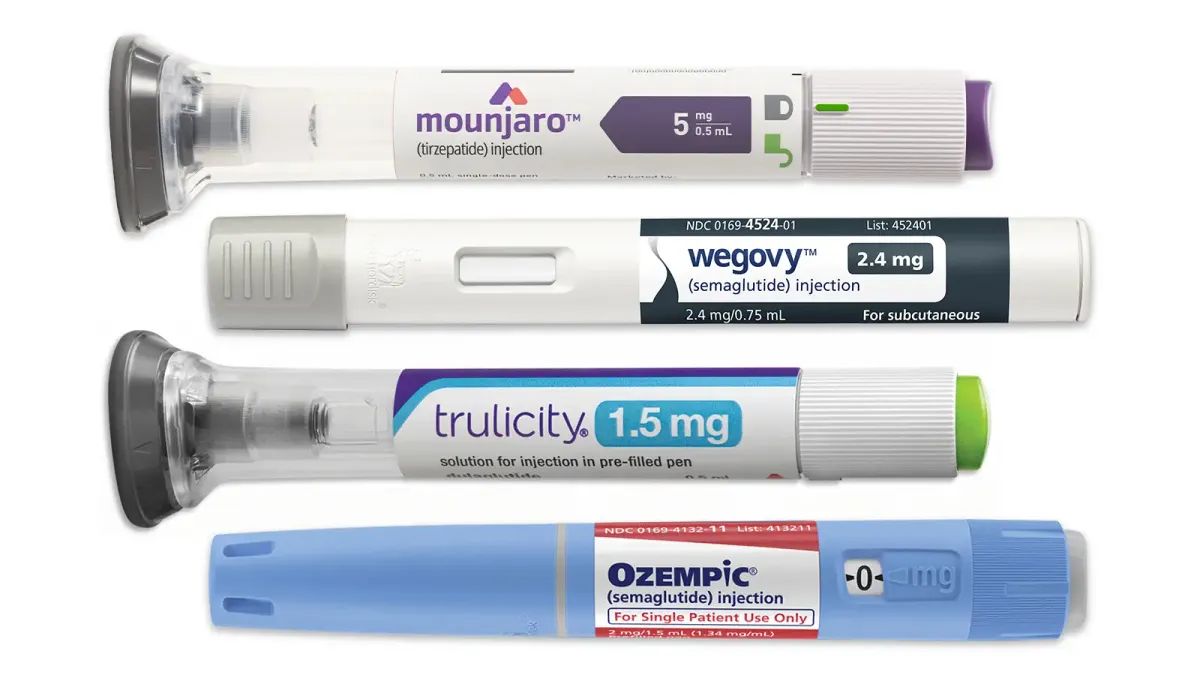
Pharmacy teams are seeing sustained patient interest in weight management therapies, particularly injectable GLP‑1 receptor agonists. This week, updated guidance from the National Institute for Health and Care Excellence (NICE) reinforces expectations around appropriate use, monitoring and multidisciplinary support — with clear relevance for both community and hospital pharmacy teams.
CORE STORY
NICE has issued refreshed guidance covering the use of GLP‑1 medicines for weight management in adults with obesity and weight‑related comorbidities. The guidance reiterates that these medicines should be used as part of a structured programme, alongside dietary, physical activity and behavioural support.
While prescribing decisions sit with medical teams, pharmacies play a critical role in ensuring safe supply, reinforcing counselling messages and supporting adherence. The updated guidance also highlights the importance of monitoring for gastrointestinal adverse effects, treatment discontinuation criteria, and long‑term safety considerations.
The guidance applies across England and Wales, with similar clinical principles reflected in devolved‑nation pathways.
PRACTICAL IMPLICATIONS FOR PHARMACY
Pharmacy teams should be prepared to answer patient questions about eligibility, expectations and side effects. Clear explanations around gradual dose titration, missed doses and when to seek medical advice remain essential.
Pharmacies involved in supporting weight management services should ensure counselling points are aligned with NICE recommendations and that any supplementary materials provided to patients are up to date.
Accurate documentation of patient interactions, particularly where concerns or adverse effects are raised, remains a key professional responsibility.
WIDER CONTEXT
Demand for GLP‑1 medicines continues to increase globally, placing pressure on supply chains and healthcare systems. Regulators and guideline bodies are increasingly emphasising appropriate use to ensure patient safety and equitable access.
CLOSING INSIGHT
As interest in pharmacological weight management grows, pharmacy teams remain central to translating clinical guidance into safe, consistent patient care. Staying aligned with